Linework Pesach Passover: A Designer's Gift Review
When a new machine embroidery design lands in my studio, I do not just glance at the preview image and call it a day. I sit with it. I imagine it stitched onto the products my gift shop customers actually buy. And with Linework Pesach Passover, the imagining came easily. This is one of those rare designs that feels both playful and meaningful at the same time, and that is exactly the sweet spot every personalized gift shop needs to hit.
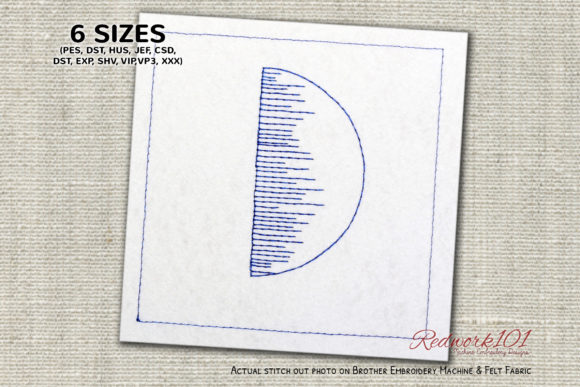
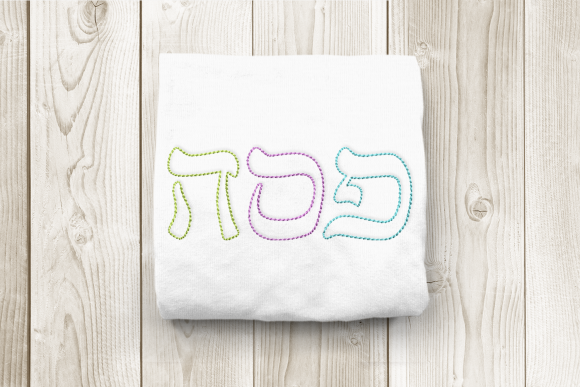
The design itself is exactly what the title promises. It features Hebrew bubble letters that spell Pesach, the Hebrew word for Passover. The linework style gives it a hand-drawn, almost illustrated feel, which immediately sets it apart from heavier filled embroidery designs. It feels light, airy, and modern. I could see it charming a young family shopping for a Passover hostess gift just as easily as it would appeal to a grandparent looking for a special baby blanket to mark a child's first Seder.
First Impressions and Emotional Pull
Opening the embroidery file for the first time, I was struck by how the bubble lettering manages to be both sweet and elegant. Some holiday designs lean too heavily on traditional motifs and end up feeling dated before they even hit the hoop. Linework Pesach Passover avoids that trap entirely. The letterforms are soft, rounded, and friendly. There is no stiffness here. This is the kind of design that makes someone stop scrolling on Etsy and think, "Oh, that is actually adorable."
The linework approach also gives it versatility. On a crisp white cotton pillow cover, it reads clean and modern. On a textured linen kitchen towel, it takes on a rustic, handmade warmth. On a baby onesie, it feels tender and personal. That chameleon-like quality is something I actively look for when testing designs for my shop, because it means I can use one digital embroidery file across multiple product categories without it ever feeling out of place.
Who Will Fall in Love With This Design
I picture a few very specific customers gravitating toward finished products made with Linework Pesach Passover. The first is the young parent who wants to dress their baby in something special for the family Seder. A simple white cotton romper with this design stitched in soft blue or sage green thread becomes an instant keepsake. The second is the hostess gift buyer. A set of embroidered kitchen towels featuring this design, tied with a simple ribbon, feels thoughtful without being fussy. The third is the family memory keeper. A quilt square, a pillow cover, or even a canvas tote bag embroidered with this design becomes part of a family's Passover tradition year after year.
For Etsy seller colleagues who specialize in Jewish holiday products, this design fills a genuine gap. So many Passover embroidery options lean formal or heavily symbolic. Linework Pesach Passover offers something fresher. It speaks the language of modern handmade product aesthetics while honoring tradition. That combination is not always easy to find.
Product Ideas and Practical Applications
Let me walk through how I would use this design across different product lines. Each one requires slightly different planning, but the design's structure supports all of them beautifully.
Baby Embroidery and Nursery Keepsakes
A baby embroidery product featuring Linework Pesach Passover would make a beautiful newborn gift for a Passover-season baby or a meaningful first holiday item. I would stitch it onto a soft cotton muslin swaddle blanket or a simple white bib. Because the design uses linework rather than dense fills, the finished piece remains soft and flexible, which matters when the fabric will be against a baby's skin. I always recommend using a quality cutaway stabilizer on knit fabrics to prevent shifting, and I test on scrap fabric first to confirm the stitch density works well with the stretch of the material.
Kitchen Towels and Hostess Gifts
An embroidered towel featuring this design feels like an elevated, intentional gift. I would pair it with a set of Passover-themed dish towels in natural linen or flour sack cotton. The linework style pops especially well on lighter fabrics, though I have also tested similar designs on medium gray and soft oat tones with good results. One note of caution here: avoid thick terry cloth or heavily textured towels for this particular design. The delicate lettering needs a smooth surface to read clearly. A flat-woven towel works best.
Pillow Covers and Home Decor
A linen pillow cover embroidered with Linework Pesach Passover in a tonal thread color creates something quietly elegant for the living room or dining area during the holiday. I could also see this working on a decorative blanket embroidery panel for a throw blanket used during the Seder. The key here is choosing thread colors that either match the fabric closely for a subtle effect or contrast boldly for a more graphic look. Both approaches work, but the choice changes the entire mood of the finished piece.
Tote Bags and Everyday Items
A custom embroidery tote bag with this design turns an ordinary reusable bag into a conversation piece at the grocery store or synagogue. For small shop product lines, totes offer a lower price point than blankets or pillows, making them an excellent entry-level item for craft fair tables or Etsy listings. I would stitch this design slightly off-center on a canvas tote for a modern, asymmetrical layout that appeals to younger buyers.
Wedding and Anniversary Keepsakes
Passover often coincides with spring wedding season, and I have had customers request items that bridge both celebrations. A wedding gift pillow cover or a set of personalized napkins featuring Linework Pesach Passover could be stunning for a couple who celebrates the holiday together. The design's soft, romantic letterforms make it feel appropriate for such occasions without veering into overly decorative territory.
Technical Considerations Before Stitching
Every seasoned embroidery designer knows that a beautiful preview does not always translate into a flawless stitch-out. Here is what I pay attention to when working with Linework Pesach Passover.
First, I always do a test run on scrap fabric that closely matches the final product material. This lets me check how the linework handles the specific fabric texture. On smooth cotton, the bubble letters stitch out crisp and clear. On anything with a nap or heavy weave, I adjust my approach. The design has steps separated by color changes, which is helpful because it allows me to pause and assess progress between sections.
Second, hoop size matters. The product description notes the design is available in six different sizes, which gives excellent flexibility. I always confirm the exact dimensions of each size option before committing to a particular product. A design that looks perfectly scaled on a 4x4 hoop for a baby bib might feel lost on a larger tote bag if I choose the wrong size. I match the hoop and design size carefully to the product dimensions.
Third, I pay close attention to stabilizer choice. For woven fabrics like linen towels or cotton pillow covers, a medium-weight cutaway stabilizer works reliably. For stretchy baby clothes, I add a water-soluble topper to prevent the stitches from sinking into the knit. These small preparation steps make a significant difference in the finished product quality.
Where to Use Extra Care
Not every surface is ideal for Linework Pesach Passover. I have learned through experience which situations call for caution. Here are the scenarios where I would think twice or test more thoroughly before offering this design to a customer.
- Dark fabric: The linework style relies on visible thread paths. On black or navy fabrics, I choose a thread color with strong contrast, such as white, gold, or a bright pastel. Even then, I test first. Thin lines can visually recede on dark backgrounds if the thread does not have enough body.
- Thick or plush towels: Terry cloth is not this design's best friend. The loops interrupt the delicate lettering and can make the word Pesach hard to read. I stick to flat-woven towels or use a heavy water-soluble topper to create a stable stitching surface.
- Stretchy baby clothes: Knit fabrics require careful hooping and the right stabilizer. Without proper support, the bubble letters can distort after washing. I always mention in my product listings that baby items with this design should be washed gently and laid flat to dry.
- Curved surfaces: Items like the edge of a pillow or the corner of a tote bag can cause uneven stitch placement. I keep the design centered on a flat, stable area for the cleanest result.
- Small lettering at reduced sizes: If I use one of the smaller size options, I check that the inner details of the bubble letters remain clear and legible after stitching. Extremely tiny lettering can lose definition, so I always test the smallest size I plan to offer.
How This Design Affects Customer Perception and Sales
Something shifts when a product features a design like Linework Pesach Passover. The item stops being just another towel or tote or blanket. It becomes a personalized gift with emotional weight. I have noticed that products with this kind of thoughtful, culturally specific embroidery tend to generate more engagement in my shop. Customers linger on the listing photos. They ask questions. They often purchase multiples because they want one for themselves and another for a friend or family member.
The giftability factor here is very strong. A handmade product featuring this design communicates care and intention. It tells the recipient that the giver thought about their traditions and chose something specifically for them. That emotional connection translates into customer trust and repeat business. For Etsy seller shops, designs that speak to specific holidays and celebrations often perform exceptionally well because they reach buyers during high-intent shopping moments.
Product photography also benefits from this design. The linework lettering photographs beautifully against simple, uncluttered backgrounds. I recommend shooting finished items on light wood surfaces or soft neutral linens to let the embroidery take center stage. A printable mockup with this design can also help customers visualize the product before purchase, which increases conversion rates for custom order previews.
Commercial Use and Shop Considerations
One of the most frequent questions I receive from fellow small business owners concerns commercial embroidery rights. Before listing finished products made with Linework Pesach Passover, I always recommend reviewing the designer's commercial embroidery terms carefully. The product description advises not to do something, though the text cuts off, so I urge anyone reading to check the full license details directly. Confirm whether you can sell finished items, whether there are quantity limits, and whether credit is required. These details protect your business and respect the designer's work.
I also recommend keeping a clear record of which embroidery file version and size you used for each product. This makes reordering and consistency across Etsy listings or craft fair products much smoother. If a customer returns asking for a matching item six months later, you will be able to replicate the exact look without guesswork.
Thread Colors and Creative Choices
One of the joys of working with Linework Pesach Passover is experimenting with thread colors. Because the design is clean and line-based, color changes feel dramatic. A soft gold thread on cream linen reads as elegant and traditional. A spring green or pale blue on white cotton skews fresh and contemporary. For baby items, I gravitate toward pastel tones that feel gentle and soothing. For kitchen textiles, bolder shades like deep navy or warm terracotta create a striking, modern statement.
I have also tested variegated threads with this design, and the effect is unexpectedly beautiful. The gradual color shifts add movement to the bubble letters and make each stitch-out slightly unique. This can be a selling point for handmade product listings where customers appreciate one-of-a-kind touches.
Final Planning Thoughts
Before I stitch Linework Pesach Passover onto any product destined for a paying customer, I run through a mental checklist. I test on scrap fabric. I check thread color contrast. I confirm my hoop size and stabilizer choice. I compare light and dark fabric mockups to see how the design reads. I review small details under good lighting after stitching to catch any issues. And I always, always verify the commercial license before selling the finished product.
What I appreciate most about this design is how effortlessly it bridges tradition and modern style. It does not try to do too much, and yet it says exactly what it needs to say. For a small shop product lineup, especially one that serves customers celebrating Jewish holidays, Linework Pesach Passover is the kind of design that builds a loyal following. It feels personal. It feels intentional. And those are the qualities that turn a simple embroidered item into a cherished heirloom.