Pansy Flower: A Designer’s Review for Premium Sweatshirt Drops
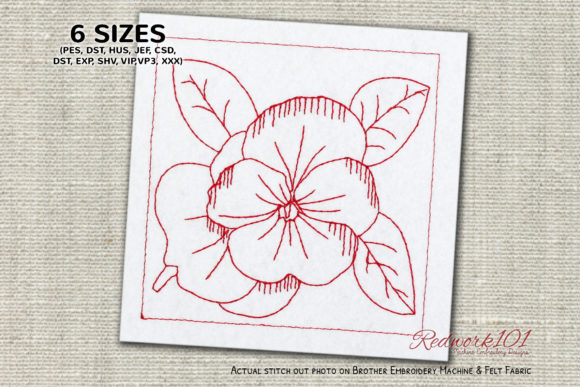
When I opened the Pansy Flower digital embroidery file, I immediately envisioned a soft, oversized sweatshirt in heather oat. The description says it’s a lovely floral design that emphasizes the beauty of nature, and the preview confirmed that. Before committing this to a limited boutique run for a client’s online shop, I always run through a full evaluation—mood, placement, stitch behavior, fabric compatibility, and how the finished product photographs for an Etsy listing. The optional box stitch adds a contemporary frame, but the standalone floral holds its own as a delicate, hand-drawn botanical. This review breaks down everything a small shop owner, apparel decorator, or creative entrepreneur needs to know before loading this design onto their machine.
First Impressions and Botanical Mood
The Pansy Flower reads as equal parts vintage botanical study and modern minimalist embroidery. There’s a softness to the petal contours that avoids the stiff, clip‑art feel you sometimes find in mass‑market single flower designs. As a designer, I look for whether the stitching personality matches the subject. A pansy has gentle ruffled edges, and this digitized version seems to capture that with layered satin paths and subtle seed stitches in the petal hearts. The mood lands somewhere between feminine and rustic—it would feel as natural on a cream crewneck as on a faded denim jacket.
What immediately stands out is the absence of heavy outlining. This keeps the botanical illustration feeling airy. For a boutique brand chasing that “elevated basic” aesthetic, that’s a significant win. You can almost imagine this stitched in dusty mauve and sage on sand‑colored fleece, or in monochromatic ivory on camel. The design doesn’t scream; it whispers. That quiet confidence is exactly what handmade and small‑batch customers lean toward right now. The optional box stitch—shown in a contrasting color in most samples—can shift the whole tone. Frame it in a warm terracotta and suddenly you have a boho focal point. Skip the box and you get a delicate, unframed bloom that moves with the garment.
Placement Possibilities for a Boutique Silhouette
In my test planning, I mapped out multiple placements that work for a cohesive product drop. A Pansy Flower sweatshirt collection thrives on thoughtful positioning, especially if you’re selling to buyers who style their loungewear for everyday wear.
- Left chest placement: This is the standard for a reason. A 3‑to 4‑inch wide embroidery of the pansy (without the box) feels personal, like a signature detail on a heavyweight hoodie or a French terry pullover. It photographs beautifully for flat‑lay printable mockup scenes and doesn’t overwhelm the garment.
- Oversized center back: For a statement piece, scale the design up—provided your hoop size and file support that—and center it on the back of an oversized hoodie. The optional box becomes a gallery‑style frame, turning the sweatshirt into a wearable art piece.
- Sleeve accent: I’ve seen small single flowers thrive on the upper sleeve of a raglan sweatshirt or a quarter‑zip. Keep the box off for a softer look. Use thread colors that contrast gently with the main body, like a muted lilac embroidery on an olive sleeve.
- Neckline or collar detail: Some shops place a tiny version at the back neck or along the collar band. If you do this, double‑check the design’s smallest readable size because fine petal voids can close up under dense stitching.
For Etsy sellers, offering multiple placement options in listing photos instantly raises perceived value because the customer visualizes the garment as customizable.
Technical Considerations for Sweatshirt Embroidery
Fabric choice matters enormously. A sweatshirt embroidery project lives or dies by how the machine handles knit fleece. The loopback texture of most mid‑weight sweatshirts is forgiving, but thicker piles like polar fleece can swallow floral details. For the Pansy Flower, I’d choose a tightly knit French terry or a smooth‑faced fleece. These surfaces keep the petal stitching crisp, especially around the fine center details that mimicking a pansy’s velvet throat.
Stitch density is another thing I evaluate before production. A floral design with too many stitches per square inch on a sweatshirt can cause tunneling—that unpleasant puckered ring around the embroidery. From inspecting previews, the petal fill areas appear well distributed, but I always run a sew‑out on a scrap of the exact fabric first. Lay down a medium‑weight cut‑away stabilizer and consider a water‑soluble topper if the fabric has any nap. This keeps delicate inner lines from sinking into the pile. For commercial embroidery runs, do not skip the topper on brushed fabrics or triblend fleeces.
Thread color contrast is another practical design concern. On dark fabric—charcoal, deep navy, black—you need the petal colors to pop without appearing fluorescent. I recommend test‑stitching with a deep violet and soft butter yellow for the center, avoiding pure white unless you want a stark, graphic look. On pastel bases like lavender or mint, shift the thread palette to slightly richer tones so the flower retains legibility. And on neutral sweatshirts, the Pansy Flower works with tonal thread selections—think oatmeal base with taupe petals and a terracotta center—for a high‑end minimal effect that photographs wonderfully for social media.
Building Brand Identity Around the Pansy Flower
A single floral machine embroidery design can anchor an entire seasonal capsule. The Pansy Flower isn’t just a pretty motif; it carries symbolic weight—remembrance, spring renewal, quiet affection—that small brands can weave into product storytelling. When I consult for handmade businesses, I encourage them to name the product around the flower and build a narrative. A “Pansy Meadow Sweatshirt” instantly sounds like a keepsake, not a commodity.
This design also lends itself to cohesive packaging. Use the same flower as a stamp on thank‑you cards or as a secondary embroidery on hang tags. Visual repetition builds brand identity and makes your shop memorable. Buyers who recognize your distinct emblem on Instagram or Etsy are more likely to trust repeat purchases. Because the design falls under Single Flowers, it’s easy to pair with other floral or botanical designs down the line, creating a recognizable library that says “this came from your shop.”
The optional box feature adds another branding layer. If your boutique aesthetic leans clean and modern, frame every floral piece with that subtle border in your signature color. If your style is more bohemian, leave it off. Either choice shapes how buyers perceive the finished product—structured and polished versus organic and free‑spirited. This small decision can shift a $48 sweatshirt toward a $78 premium item.
From Digital File to Finished Product: What to Check Before You Stitch
Before sending this embroidery file to your machine, take the following precautions. The description mentions the box stitch is optional and that the color of the outer box is different in most designs unless it is part of the artwork. That means you should verify exactly what layers are present in your digital embroidery file. Open the file in your software and confirm whether the box is an independent element. If you delete it or hide the layer, check that the flower doesn’t have any leftover anchor stitches that might cause thread nests.
Always confirm the hoop size requirement before scaling. Many boutique sweaters use smaller hoops for chest logos, so measure your intended placement and ensure the design fits comfortably within the stitchable field. If you need to reduce the design, do a small‑size readability test. Fine petal veins or center details may close up at under 60% of the original size. My rule is to never shrink a floral design below 75% without a sew‑out trial, especially if it has delicate open spaces that define the botanical character.
Stitch density, thread tension, and pull compensation can vary between machine formats, so if you are an Etsy seller who purchased this as a digital embroidery file, ask the digitizer for recommended settings. Washing durability is non‑negotiable for apparel. I test with a cold wash inside‑out and a low‑heat tumble dry. A well‑digitized commercial embroidery design should survive at least 30 washes without significant thread fraying, especially if you use high‑quality polyester threads. The Pansy Flower design appears to have balanced fill directions, which reduces friction during laundering.
Why This Design Resonates with Etsy Sellers and Small Boutiques
In the current handmade market, customers scan dozens of listings in seconds. A hoodie design has to feel instantly special. The Pansy Flower passes the thumbnail test—even in a small Etsy listing image, its silhouette reads clearly against neutral fabrics. Pair it with a lifestyle printable mockup that shows the sweatshirt on a model in natural light, along with a flat‑lay styled with dried flowers and a coffee cup, and you’ll stop a scroller. The botanical trend isn’t fading, and single flower embroideries often outperform complex multi‑motif designs because they communicate calm, thoughtful simplicity.
From a pricing perspective, adding this embroidery to a blank hoodie can lift the perceived value significantly. A plain sweatshirt might sell for $35, but the same sweatshirt with a luxe, well‑placed Pansy Flower can command $55–$70. That margin makes the investment in file cost and thread well worth it for a small shop product. Buyers often associate floral embroidery with craftsmanship and attention to detail, which reinforces the handmade product story even if you use a professional embroidery machine.
For custom apparel orders, offering the Pansy with different box colors or thread palettes becomes an easy upsell. In my own consultations, I advise shops to shoot three mockup variations—one with the box, one without, and one in a monochrome palette—so customers can instantly see the range. This reduces decision fatigue and increases conversion because the buyer feels in control of the final look. When you treat a machine embroidery design as a core design asset instead of a one‑off stitch, you build a collection that evolves with each season, strengthening your boutique brand’s staying power in a crowded market.