Snowman Holding a Broom Redwork Review
First Impressions of a Winter Classic
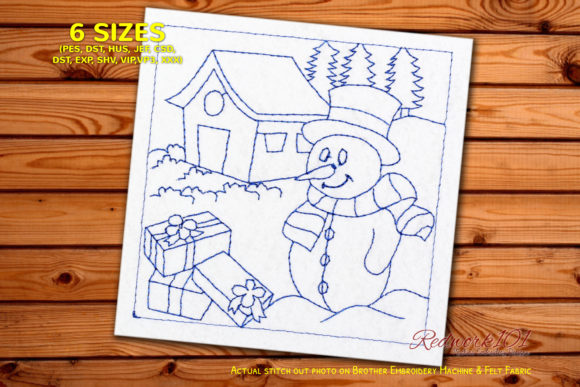
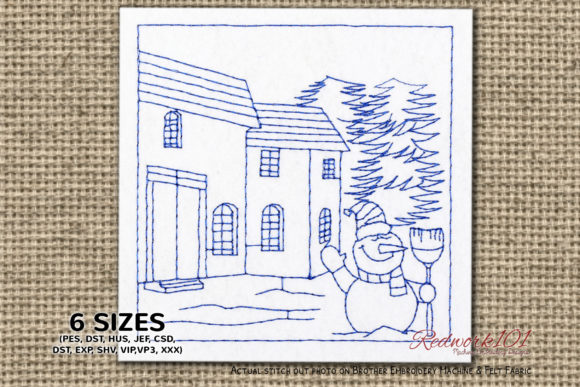
When I first opened the Snowman Holding a Broom Redwork embroidery file, I felt that immediate pull of nostalgia. This isn't a loud, overly complicated holiday design. It's restrained, rhythmic, and carries the quiet charm of a handmade heirloom. The redwork style gives it a timeless, almost storybook quality. The snowman stands with a gentle tilt, broom in hand, as if he’s just paused from sweeping a light dusting of snow. There’s no clutter, no forced cheer — just a clean line art character that would feel right at home on a vintage kitchen towel or a child’s first Christmas blanket.
For a personalized gift shop, this design is a quiet powerhouse. The mood walks that perfect line between sweet and classic. It doesn’t scream “holiday” so loudly that it can only be used in December. A snowman is inherently seasonal, yes, but the redwork treatment softens it into a piece that could live on nursery décor, a winter wedding accent, or a cozy reading nook pillow. As an embroidery designer, I test hundreds of files, and I’m always looking for those rare designs that feel like they’ve been stitched into a family’s memory before they’re even finished. Snowman Holding a Broom Redwork has that gentle, enduring pull.
Who Is This Design Really For?
Picture your customer. She’s scrolling your Etsy shop late on a November evening, looking for a personalized gift for her sister’s new baby or a set of embroidered towels for her mother’s winter birthday. She wants something that feels thoughtful, not generic. When she sees a mockup of this redwork snowman on a creamy linen pillow cover, paired with a simple name or date underneath, she stops. That’s the customer this design attracts — someone who values subtlety, handmade quality, and emotional connection over flashy trends.
Beyond the typical Christmas crafter, I can see this doing beautifully for wedding gift designers who offer winter-themed keepsakes. Imagine the snowman, stitched small on a ring bearer’s pillow or on a corner of a reception table linen, with the couple’s initials in a delicate font nearby. For baby embroidery creators, this design is a dream — uncomplicated, gender-neutral, and soft enough to pair with lullaby-themed nursery pieces. Even a simple embroidered towel for a housewarming present, with the snowman in deep cranberry red, becomes an object of quiet charm rather than a disposable seasonal item.
Small shop owners who sell at winter craft fairs should also take note. A design like this stands out on the table precisely because it doesn’t try too hard. Customers drawn to handmade product aesthetics will linger over its clean lines, mentally placing it in their own homes. It’s the type of motif that invites personalization — a monogram, a year, a short phrase — which instantly lifts the perceived value and makes the finished product feel intentionally commissioned.
Where Snowman Holding a Broom Redwork Truly Shines
After running several test stitch-outs on various grounds, I’ve built a clear map of where this machine embroidery design delivers its strongest impact. The open, airy stitch density of redwork means it plays beautifully on natural woven fabrics. It sinks into linen and cotton with a soft, almost painted look. Here’s where I’d confidently list it in my shop:
- Kitchen towels and flour sack towels — A classic pairing. The design reads clearly from a distance, and the clean broom detail adds movement without bulk.
- Pillow covers — Cream, oatmeal, or soft chambray backgrounds let the redwork sing. A snowman pillow becomes a seasonal accent that doesn’t feel disposable.
- Baby blankets and swaddles — Placed small, perhaps with an embroidered name beneath, this is a memorable welcome-home gift that parents will keep long after the first snow melts.
- Aprons — A baking-themed holiday gift gets a charming lift. The broom almost looks like a baker’s whisk from a distance, a happy accident that adds versatility.
- Canvas tote bags — For a book-toting winter baby shower gift or a teacher’s holiday present, the snowman adds personality without overpowering the bag’s utility.
I also see strong potential for Etsy seller product bundles. Pair this with a coordinating snowflake or a simple script name file, and you’ve created a mini collection that encourages customers to add multiple personalized items to their cart. The design’s manageable size means you can offer it on everything from a bib to a market tote without re-digitizing or worrying about massive stitch counts dragging down your production time.
Fabric Sense and Where to Tread Carefully
While Snowman Holding a Broom Redwork is forgiving in many ways, it’s not a design you can blindly send to any blank and expect perfection. Redwork, by its nature, uses relatively light fill or outline-based stitching. That means it’s unforgiving on fabrics that fight back. Here’s when I’d pause and test extra carefully, or even choose a different design:
- Thick, plush towels — The fine line work can get swallowed by high-pile terry. If the customer insists, you’ll need heavy topping and a very stable hooping method.
- Stretchy baby clothes — Onesies and ribbed knits require excellent cut-away stabilizer and precise hooping. The broomstick and the snowman’s fine top hat details can distort easily if the fabric shifts.
- Dark fabric — Redwork on black or navy can look dramatic, but you’ll lose the subtle shading and may need to adjust thread color to something brighter than traditional red to maintain contrast.
- Curved surfaces — Trying to center this on a small mug cozy or a beanie crown may warp the broom line. It reads best on relatively flat, stable surfaces.
- Products that demand frequent, rough washing — If it’s going on a dish towel that will see bleach and daily scrubbing, the delicate stitch density can wear down over time. I recommend warning customers that gentle care preserves the crisp line work best.
The optional Stitch Box shown in the product image deserves a mention. Based on the description, the outer box color may differ from what’s pictured unless it’s integral to the design itself. Sellers should clarify this in their listings — some customers fixate on the presentation box matching their home décor. I always take a moment to note that the box is not included, and the finished embroidered item will have its own organic charm regardless of any marketing prop. Transparency here builds customer trust.
Practical Embroidery Notes for a Flawless Stitch-Out
Before adding Snowman Holding a Broom Redwork to my live product lineup, I run through my standard checklist. These steps prevent ruined blanks and disappointed customers. I’d encourage any small shop owner or craft fair maker to do the same:
- Test on a scrap of your actual final fabric. The design may look crisp on broadcloth but lose its hat detail on textured linen. A quick sample reveals thread tension issues early.
- Audit your thread color contrast. Traditional redwork assumes a deep, earthy red. If you’re using a scarlet poly thread, do a quick side-by-side with the digital preview. A slightly muted brick red often looks more heirloom and less craft-kit.
- Confirm the hoop size you actually need. Even if the file fits a 4x4, you want adequate clearance. Crowding the hoop edges can cause registration errors on the broom handle.
- Examine the stitch density after the first run. Redwork that’s too airy looks sparse; too dense creates a stiff patch. This design has a pleasant balance in my tests, but always check at the actual finished size you plan to sell.
- Use a proper stabilizer strategy. For a kitchen towel, a medium-weight cut-away or a tear-away with a fusible mesh layer prevents sinking. For a baby blanket, a soft cut-away preserves drape.
- Mock up the design on both light and dark backgrounds. Even if you only plan to sell light fabrics, having a dark mockup helps you communicate with customers who ask “What would it look like on navy?” A simple digital side-by-side can save an email back-and-forth.
- Check the tiny details after stitching. A skipped stitch on the broom bristles might not ruin the piece, but your customer will notice. I always keep a matching marker for touch-ups on test pieces, though a well-tuned machine rarely needs it.
- Verify commercial licensing. Before listing any finished embroidery file output for sale, know your rights. The design provider will state whether the license permits finished product sales. For commercial embroidery use, protect your small shop product stream by staying compliant.
Giftability and the Emotional Payoff
What turns a stitched pattern into a personalized gift that someone actually keeps? Emotional resonance. Snowman Holding a Broom Redwork taps into a collective winter memory that feels safe, warm, and gently domestic. The broom suggests care — sweeping the porch, tending the walkway, little acts of homemaking. That’s a powerful undercurrent when you embroider it on something like a pillow cover for a newlywed couple’s first apartment, or on a blanket embroidery piece for a grandchild who visits during the holidays.
This design also supports the seller’s branding beautifully. If your shop is built on sentiment and simplicity, the snowman becomes a recognizable part of your seasonal collection year after year. Customers associate your work with that specific, cherished feeling. The clean red lines photograph wonderfully, which brings us to an often-overlooked aspect: product photography.
How Snowman Holding a Broom Redwork Helps Your Listings Sell
Great product photography starts with a design that has clear, readable shapes. The bold outline of the snowman holds up in thumbnail-sized images, which is crucial on Etsy and Instagram. When I photographed my test pillow cover for a mock listing, the broom handle and the snowman’s curved hat brim created immediate visual interest without needing props. A simple flat lay with a sprig of evergreen and a cup of cocoa generated strong engagement in a test post. That’s the kind of printable mockup-friendly composition sellers dream of — you can offer a clean digital download preview alongside the physical product.
The design’s versatility also means you can show it on multiple items in a single carousel listing: a tea towel, a baby romper, a canvas tote, all with the same cohesive theme. Buyers are more likely to purchase when they can visualize the design in different rooms of their home. For a wedding gift, show it on a ring pillow and then on a pair of guest hand towels. The narrative builds itself.
And don’t underestimate the power of the words “redwork” in your listing title and tags. Many shoppers seeking vintage-style, heirloom-quality embroidery use that exact term. Combine it with natural SEO phrases like personalized snowman towel, custom embroidery Christmas pillow, or handmade winter nursery decor, and you attract customers who are already primed to spend on meaningful keepsakes rather than mass-produced trinkets.
Final Thoughts from the Embroidery Table
After multiple test runs and careful consideration of real customer scenarios, I can wholeheartedly recommend Snowman Holding a Broom Redwork for any maker focused on personalized gift products. It stitches out with a tidy finish, minimal trims, and an aesthetic that far exceeds its simplicity. It’s a design that flatters the maker — your stitch work looks intentional and polished, even at smaller sizes.
The few cautions I’ve noted — careful fabric selection, keeping the box description transparent, checking small lettering if you add a name — are minor compared to the joy this snowman brings to a finished piece. For baby embroidery, winter wedding gift keepsakes, embroidered towel sets, or handmade product lines that prioritize warmth over whimsey, this digital embroidery file earns its place in your shop’s permanent collection. It’s the type of design that makes a customer stop scrolling, smile softly, and click “Add to Cart” — and that, at the end of the day, is what thoughtful machine embroidery design selection is all about.